
Black Mold Removal
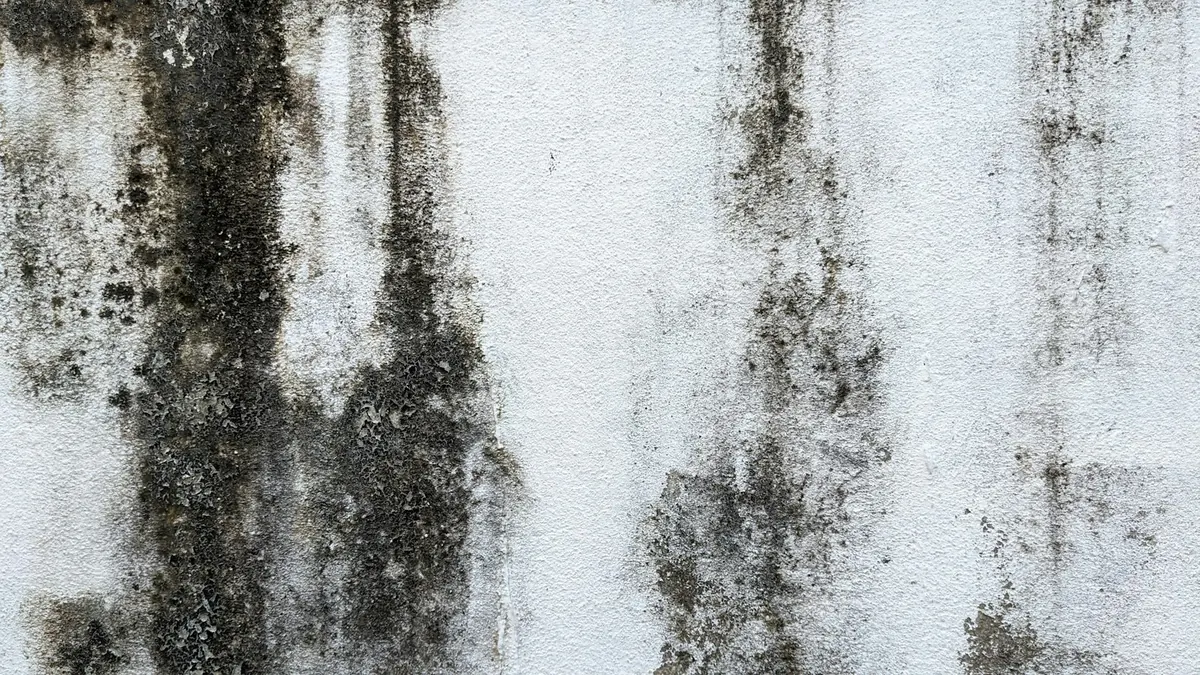
Black mold removal isolates dark mold growth found on wood and drywall, then takes out the affected portions.
See black mold removalGet a cleanup plan for visible growth, odor or wet materials in Acton. It should cover containment, drying and moisture.
Moisture inspection, containment, removal of material, cleaning and drying are included in the service.
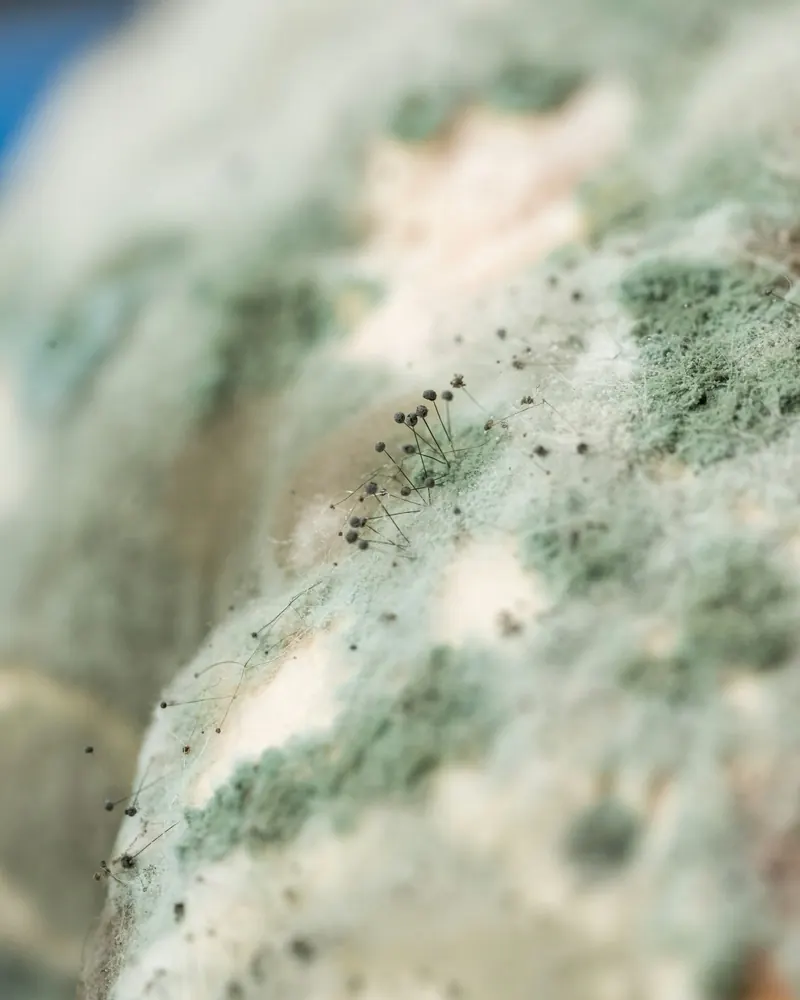
Black mold refers to appearance, not a single type. Stachybotrys chartarum can look dark, yet sight cannot confirm its identity. CDC guidance states that color cannot determine risk.
A proper work scope identifies the moisture source, material impacts and visible mold. If mold testing or air sampling is done, it should resolve a question whose answer affects how cleanup proceeds.
Before reconstruction, find out how the water source will be found, corrected and checked.
Use an independent assessor to evaluate completed work whenever clearance testing is suitable.
Cleaning, drying, possible changes, affected materials and removal limits should appear in the scope.
You should ask how occupied rooms are protected by the air filtration device and by the containment barrier.
A planned cleanup is sensible when growth is widespread, HVAC is involved, or water contamination or sewage is present.
When growth appears in separate rooms, humidity, recurring leaks or a shared moisture issue may be involved.
Growth that looks dark can penetrate the paper facing or wall cavity. Removing porous drywall might require a contained work area.
You should not operate equipment if contamination is possible. Mold may travel throughout the building through an affected system.
EPA guidance says to dry water-damaged areas and items within 24 to 48 hours to prevent mold growth.
Keep the affected area undisturbed. Control the water source if doing so is safe.
Call (844) 352-3560This service does not have its own published range. The closest comparison is black mold removal, with guides showing $800 to $7,000. Fixr lists the black mold inspection cost as $600 to $800 and the national mold remediation range as typically $1,500 to $9,000. Use these as planning figures rather than a quote for the property.
These ranges come from published national cost guides, not from a site visit. Before work begins, you should get an explanation of the property price determined through an on-site assessment.
Ask about cost: (844) 352-3560Homeowners insurance can cover remediation tied to sudden water damage that the policy covers. Long-running leaks, repeated humidity or neglected upkeep are common exclusions, and a mold sublimit might apply.
California's Toxic Mold Protection Act includes a landlord written-disclosure section (Health and Safety Code 26147). By its own wording it applies only after the state adopts mold exposure standards, and the state health department has said it could not set them. Maintain the scope of work, moisture readings, repair records and photos.
Check the cause, your deductible, any mold sublimit and which records the claim requires.
Under California's housing law, visible mold found by a health officer or code enforcement officer can make a rental substandard. Renters can contact their local health or code enforcement department to ask for an inspection. Save dated photos along with copies of notices concerning odors, leaks and visible growth.
Coverage commonly depends on the water source instead of mold type or color.
Conditions in the affected area, the source of moisture and material types shape the mold removal process.
A visual inspection paired with a moisture meter helps map visible growth and water intrusion.
To separate the work zone, the crew uses poly sheeting with negative air pressure. Cleanup crew members wear protective equipment suited to the work.
While workers cut and bag damaged materials, a HEPA air scrubber filters particles.
Removal may be needed for insulation or drywall with mold. Sound surfaces undergo cleaning and HEPA vacuuming. You cannot substitute an antimicrobial treatment for cleaning.
Drying is supported by air movers or a dehumidifier. Moisture readings guide when repairs can begin.
When post-remediation verification is necessary, an independent assessor should complete it. The moisture problem must also be fixed.

Call at any time. A toxic mold removal specialist takes your call, discusses what you see and outlines what comes next.
Opening a cavity and taking out porous material risks spreading dust while exposing concealed moisture.
Allergy and asthma symptoms may be triggered by mold in some people. Risk is higher for people who have asthma, lung disease or weak immune systems.
Particle movement is limited through containment, negative air pressure and use of a HEPA air scrubber.
The cleanup approach and building conditions cannot be defined by color or name.
Can you clean it yourself? EPA states that homeowners can often clean areas measuring under about 10 square feet. Get experienced help for HVAC contamination or larger growth, and for sewage or contaminated water.
An item's porosity and ability to be cleaned and dried determine whether it can remain.

California has no state license or certification for mold assessors or remediators, according to the California Department of Public Health. General construction work above a small dollar amount does need a license from the Contractors State License Board (CSLB), so it is worth checking a contractor's license there and asking about their mold training. You should ask about permits that cover demolition, electrical work, plumbing and rebuilding.
Prevent mold growth by correcting moisture and completing drying of water-damaged areas and items within 24 to 48 hours.
No federal threshold exists for indoor mold levels. Testing needs a clear objective.
The California Department of Public Health (CDPH) Air Quality Section publishes mold and dampness guidance and a mold FAQ. CDPH says visible mold, dampness, and mold odor are unhealthy and should be fixed, and that routine mold testing is not needed when mold is visible. Confirm current requirements based on the proposed scope and your kind of property.
Access, containment, removal, drying and moisture repairs all affect the timing. The schedule may change if hidden growth is found.
The full toxic mold removal guide covers what is cleaned or removed, odor and air quality work, and the rules that apply in California and Los Angeles County.
Read the full toxic mold removal guideProperty access, local housing conditions and humidity may affect how you plan mold cleanup, containment and moisture control.
At 8 percent renter occupancy, many households can trace a leak through the whole property and arrange removal after the moisture source is corrected.
Because the median home dates to 1986, maintenance history matters when tracing whether repeated plumbing, roof, or drainage problems have kept materials damp.
The local housing stock is 93 percent single-family, making ventilation, drainage, and plumbing checks across the property relevant to keeping cleaned areas dry.
With 15 percent of seniors living alone, regular checks under sinks and around ceilings can still help reveal moisture before mold spreads behind materials.
Ask on the phone about mold cleanup for nearby ZIP codes and communities.
Black mold removal isolates dark mold growth found on wood and drywall, then takes out the affected portions.
See black mold removal
Containing mold growth comes first in mold remediation, followed by removal, cleaning and correction of the moisture problem that allowed it.
See mold remediation
Mold cleanup clears mold from materials and surfaces, puts damaged belongings into bags and prepares the space for repair work.
See mold cleanup
Workers first use a mold inspection to find the affected areas and then remove and clean the growth.
See mold inspection and removal
Mold testing collects surface or air samples for laboratory analysis of the mold types present and their amounts.
See mold testing
Hidden mold remediation locates and clears hidden mold behind wall surfaces, beneath flooring and over ceilings where it is out of view.
See hidden mold remediation (behind walls)
Mold damage restoration removes the mold and then repairs or replaces the drywall, insulation, flooring and other materials it damaged.
See mold damage restoration
Residential mold removal addresses growth in condos and houses, whether one room or multiple spaces need attention from a local crew.
See residential mold removalWithout sampling, visible growth and its moisture source still need to be addressed. An unclear source or a post-remediation verification requirement may make mold testing helpful. You should ask about the test's measurements, the sample collection method and the way lab results will influence the remediation protocol.
The cause behind the water intrusion and your policy control whether coverage applies. You may qualify when a sudden and accidental event is covered. Policies often exclude neglected maintenance, slow leaks and repeated humidity. You should confirm the required documentation, your deductible and any mold sublimit before damaged materials are relocated.
Public guides do not state a separate range for this exact service. For black mold removal, the most relevant Fixr and Bob Vila guides both show $800 to $7,000. Actual cost depends on area, access, materials, containment, drying, testing and repairs.
No. Many mold types can have a green, brown or black appearance. Appearance cannot identify a species or show whether mycotoxins are present. Pay attention to damaged materials, the moisture source and affected area. You should ask how lab results will alter a decision before agreeing to suggested sampling.
Removing affected material may disturb dust and mold spores. For that reason, you may see the affected area contained with negative air pressure, HEPA filtration and restricted access. You should ask about separating occupied spaces and the point after final cleaning when containment can be taken down.
Under certain conditions, some mold species may produce mycotoxins, yet neither color nor a species name determines risk within a building. The online name toxic black mold is frequently applied to Stachybotrys chartarum. CDC guidance says indoor mold and its moisture source should be addressed without regard to color or type.
Calls about toxic mold removal are answered 24 hours a day, so you can receive clear and practical guidance.