
Mold Remediation
Containing mold growth comes first in mold remediation, followed by removal, cleaning and correction of the moisture problem that allowed it.
See mold remediationRemove humidity-related mold in Acton with moisture mapping, containment, HEPA cleaning, drying and source correction.
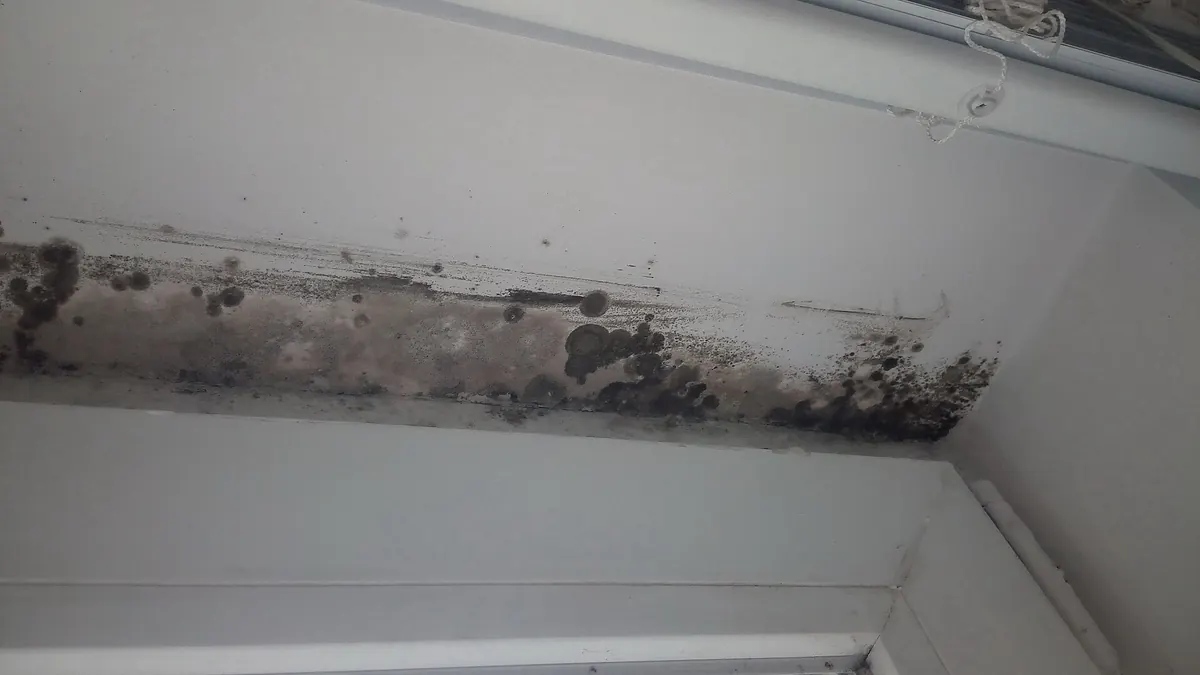
The work addresses affected materials, visible growth and humidity control.
Cold surfaces can turn damp air into condensation. Mold may show up behind furniture, in closets, or on ceilings and window sills. Leaks must also be ruled out.
Relative humidity is measured with a hygrometer, and material moisture is checked with a moisture meter. Thermal imaging can reveal patterns, but it does not identify mold.

Your scope should identify removal limits, responsibilities for repairs, HEPA cleaning and drying targets.
Find out how negative air pressure and containment barriers safeguard your belongings and clean rooms.
Testing and confirmation that conditions are dry should come from an independent assessor.
Find out how inspectors assess dew point and ventilation while separating condensation from leak moisture.
Recurring growth or window condensation can point to poor ventilation or hidden moisture.
Water can reach frames and drywall. Air circulation can be restricted by curtains.
The dew point may be reached by cold surfaces. The issue may involve missing insulation or air leakage.
Showers and a weak exhaust fan can leave walls damp. Increase ventilation.
Water near a drain pan, line or register needs assessment. Do not operate suspected equipment.
Start by limiting moisture, then avoid disturbing any visible growth ahead of assessment.
Call (844) 352-3560Published pricing for condensation mold alone is unavailable. Fixr places general mold remediation from $1,500 up to $9,000 for a project. When the area is larger than about 10 square feet, work costs between $10 and $30 per square foot. A guide about crawl space encapsulation supplies the dehumidifier figure. These figures are not property quotes.
Published national cost guides are the source of these ranges, rather than an inspection of your property. Following an on-site assessment, the property price should be explained to you before any work begins.
Ask about cost: (844) 352-3560Whether coverage applies depends on the policy and the claim's cause.
Under California's housing law, visible mold found by a health officer or code enforcement officer can make a rental substandard. Renters can contact their local health or code enforcement department to ask for an inspection. Keep messages about leaks, condensation, exhaust fan problems, visible growth and requests for repair access.
Check applicable mold coverage limits. A burst pipe differs from recurring condensation.
Retain claim documentation, photos, moisture readings and the written scope of work.
California's Toxic Mold Protection Act includes a landlord written-disclosure section (Health and Safety Code 26147). By its own wording it applies only after the state adopts mold exposure standards, and the state health department has said it could not set them. Save the clearance report, photos and readings along with the scope and repairs.
Affected materials, the source and the size of the area shape the plan.
During inspection, moisture readings document relative humidity and cold surfaces.
Poly sheeting creates a boundary around the work zone. Negative air pressure protects rooms outside the work zone.
Workers wear protective equipment when material disturbance begins.
The air filtration device used for removal is a HEPA air scrubber.
Wet materials may come out, including insulation, carpet, moldy drywall and ceiling tile.
A HEPA vacuum and damp wiping clean non-porous surfaces. The drying process benefits from dehumidification.
Readings verify complete drying. An independent assessor completes air sampling, post-remediation verification or clearance testing.

Call at any time. A humidity and condensation mold specialist answers, talks through what you are seeing and explains the next steps.
Porous materials may be affected by concealed growth, which can spread if disturbed.
Allergy or asthma symptoms can be triggered by mold in some individuals. CDC guidance identifies increased risk for people with asthma, lung disease or weak immune systems.
Color does not show risk. Begin window frame cleanup with moisture control.
Cutting releases particles. Use a containment barrier and HEPA air scrubber, plus negative air pressure, to restrict movement.
Can you clean it yourself? EPA says an area under about 10 square feet can often be cleaned by the homeowner or renter. Correct the moisture first. Larger growth, HVAC involvement, sewage or contaminated water calls for professional help.
Cleanable hard materials may stay. You may need to remove porous materials.

California has no state license or certification for mold assessors or remediators, according to the California Department of Public Health. General construction work above a small dollar amount does need a license from the Contractors State License Board (CSLB), so it is worth checking a contractor's license there and asking about their mold training. Check which permits your demolition or rebuilding work requires.
EPA guidelines recommend fixing the water problem and drying water-damaged materials within 24 to 48 hours to prevent mold growth.
There is no federal cap for mold levels indoors. EPA recommends humidity below 60 percent and ideally 30 to 50 percent.
The California Department of Public Health (CDPH) Air Quality Section publishes mold and dampness guidance and a mold FAQ. CDPH says visible mold, dampness, and mold odor are unhealthy and should be fixed, and that routine mold testing is not needed when mold is visible. Ask about requirements for the property and planned work.
Timing depends on repair and drying needs, removal and hidden growth.
The full humidity and condensation mold guide covers what is cleaned or removed, odor and air quality work, and the rules that apply in your state.
Read the full humidity and condensation mold guideLocal humidity and housing, along with access to your property, can influence mold cleanup planning, moisture control and containment.
At 8 percent renter occupancy, many households can trace a leak through the whole property and arrange removal after the moisture source is corrected.
Because the median home dates to 1986, maintenance history matters when tracing whether repeated plumbing, roof, or drainage problems have kept materials damp.
The local housing stock is 93 percent single-family, making ventilation, drainage, and plumbing checks across the property relevant to keeping cleaned areas dry.
With 15 percent of seniors living alone, regular checks under sinks and around ceilings can still help reveal moisture before mold spreads behind materials.
Ask on the phone about mold cleanup for nearby ZIP codes and communities.
Containing mold growth comes first in mold remediation, followed by removal, cleaning and correction of the moisture problem that allowed it.
See mold remediation
Mold cleanup clears mold from materials and surfaces, puts damaged belongings into bags and prepares the space for repair work.
See mold cleanup
Residential mold removal addresses growth in condos and houses, whether one room or multiple spaces need attention from a local crew.
See residential mold removal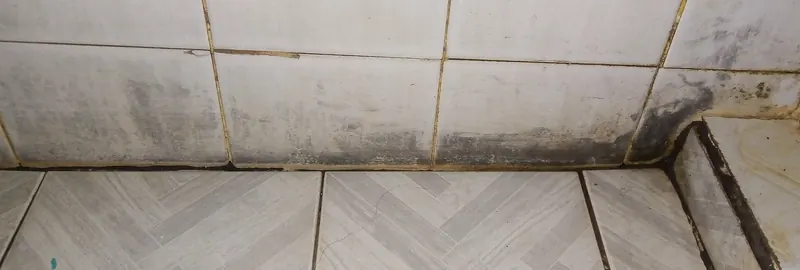
Bathroom mold removal clears growth from grout, walls, ceilings and spaces behind showers while checking for leaks or poor ventilation.
See bathroom mold removal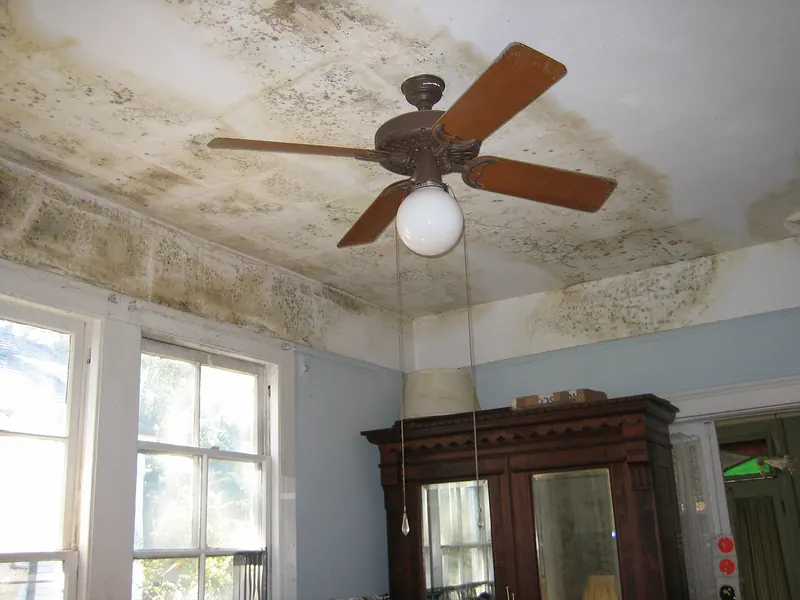
Mold-covered ceiling drywall is cleaned or replaced during ceiling mold removal, with the pipe leak, roof leak or humidity source found overhead.
See ceiling mold removal
Damaged wallboard is cut away during drywall mold removal, the interior framing is cleaned and new material replaces what was removed.
See wall and drywall mold removal
Hidden mold remediation locates and clears hidden mold behind wall surfaces, beneath flooring and over ceilings where it is out of view.
See hidden mold remediation (behind walls)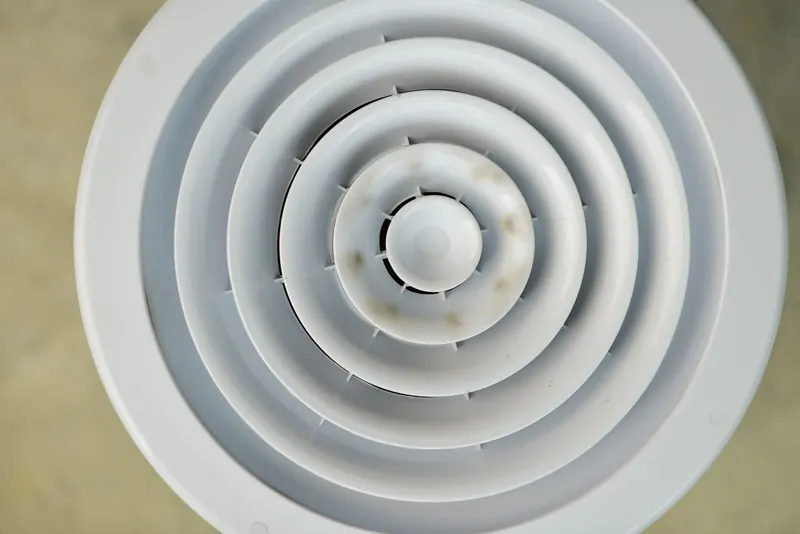
Air duct mold removal cleans HVAC drain pans, ductwork, vents and coils so the system no longer carries the growth.
See HVAC and air duct mold removalEPA guidance says homeowners and renters may often clean areas under about 10 square feet. Correct moisture first. Get help for porous materials, extensive or recurring growth, HVAC equipment, sewage or contaminated water.
Spots and patches can appear behind furniture or across frames, walls, ceilings and closets. Neither the risk nor the cause can be confirmed by how growth looks. You can better identify the source and plan the job by checking condensation patterns, material moisture, indoor humidity and surface temperatures.
A single room reading will not predict growth. Even with a lower room reading, cold surfaces may become wet from condensation. After following the EPA humidity range, check recurring dampness on walls, windows and ceilings. Moisture readings show whether finished materials still remain damp.
Your coverage varies with the source and policy terms. Policies commonly exclude recurring humidity and problems related to maintenance. Mold resulting from a covered water event that was sudden and accidental may be treated differently, subject to a possible coverage limit. Report the issue promptly and find out which records you need.
You should keep humidity below 60 percent and aim for 30 to 50 percent. Support air circulation beside exterior walls, use bathroom and kitchen exhaust fans and maintain your dehumidifier or air conditioner. Wipe window moisture and investigate recurring dampness, failed seals and leaks.
When warm air meets cold surfaces, high humidity may leave moisture. It does not prove the source. Other possible sources include drainage from an air conditioner, wet insulation and leaks at windows, pipes or roofing. After fixing the moisture, you still need to clean or remove growth that remains.
For calm and useful guidance about humidity and condensation mold, you can reach someone by phone 24 hours a day.